


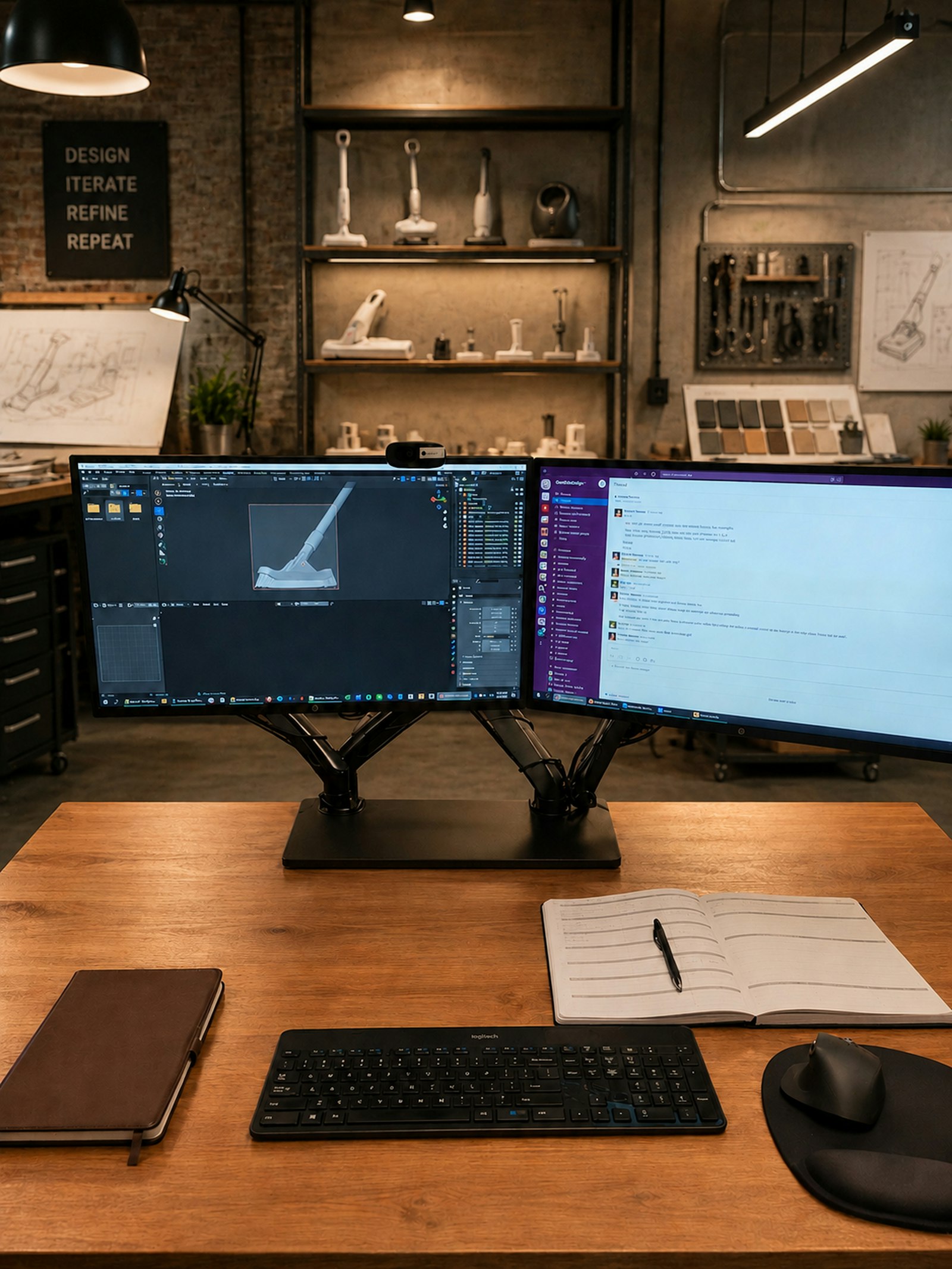
How to Prepare a 3D Model for Printing: Common Mistakes
Even a technically accurate 3D model can cause problems during printing if it hasn't been properly prepared. Most delays and extra costs arise not from the printing technology itself, but from model errors that could have been spotted and fixed before the file was ever sent to production. The most common model mistakes A non-watertight mesh.…

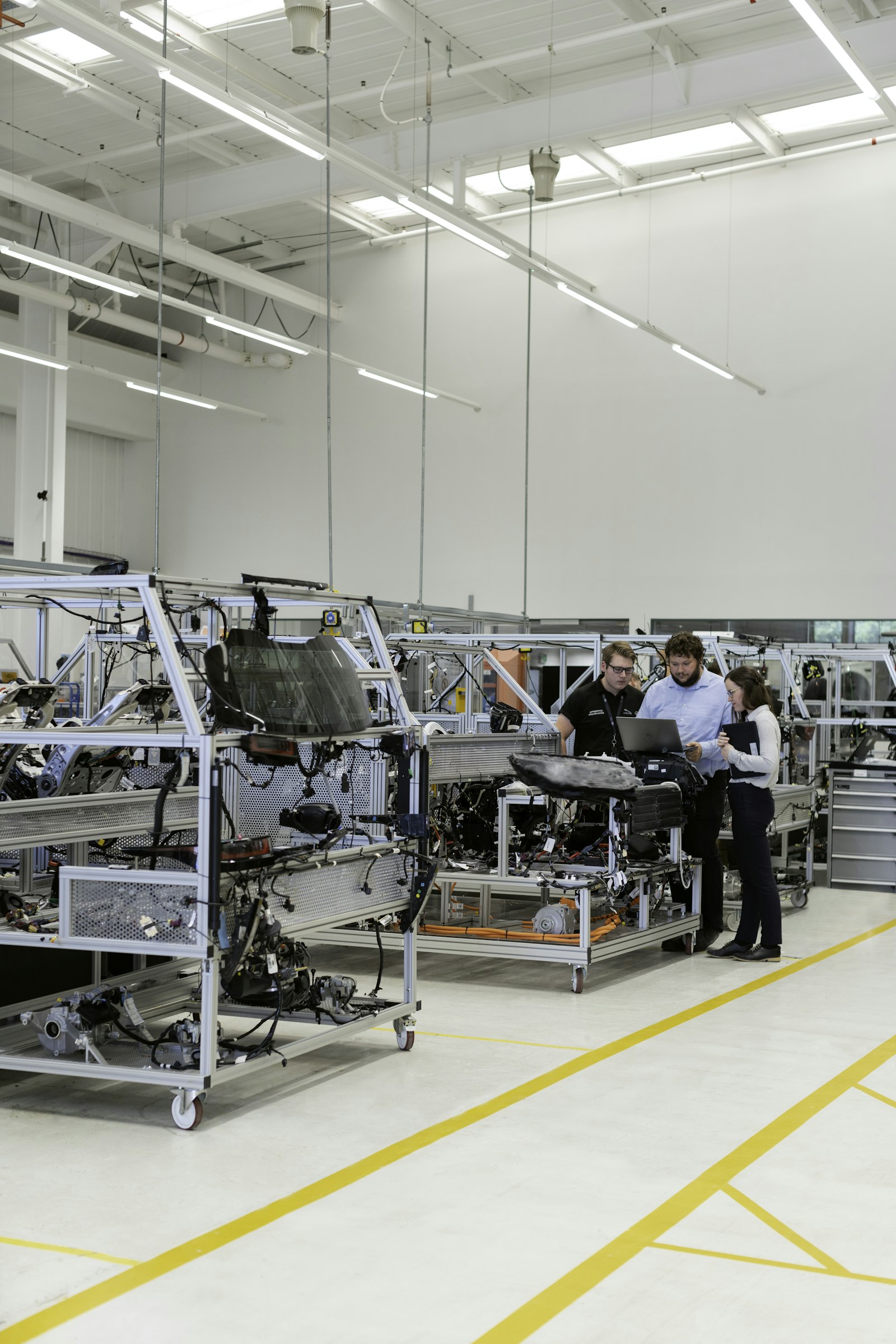
Small-Batch Production Without Injection Molds: When It Pays Off
Traditional injection molding only becomes economically viable when producing large batches – a mold can cost anywhere from a few thousand to tens of thousands of euros, and making one can take weeks. When you only need a few dozen or a few hundred units, that investment often doesn't pay off. 3D printing allows small batches to be produced…
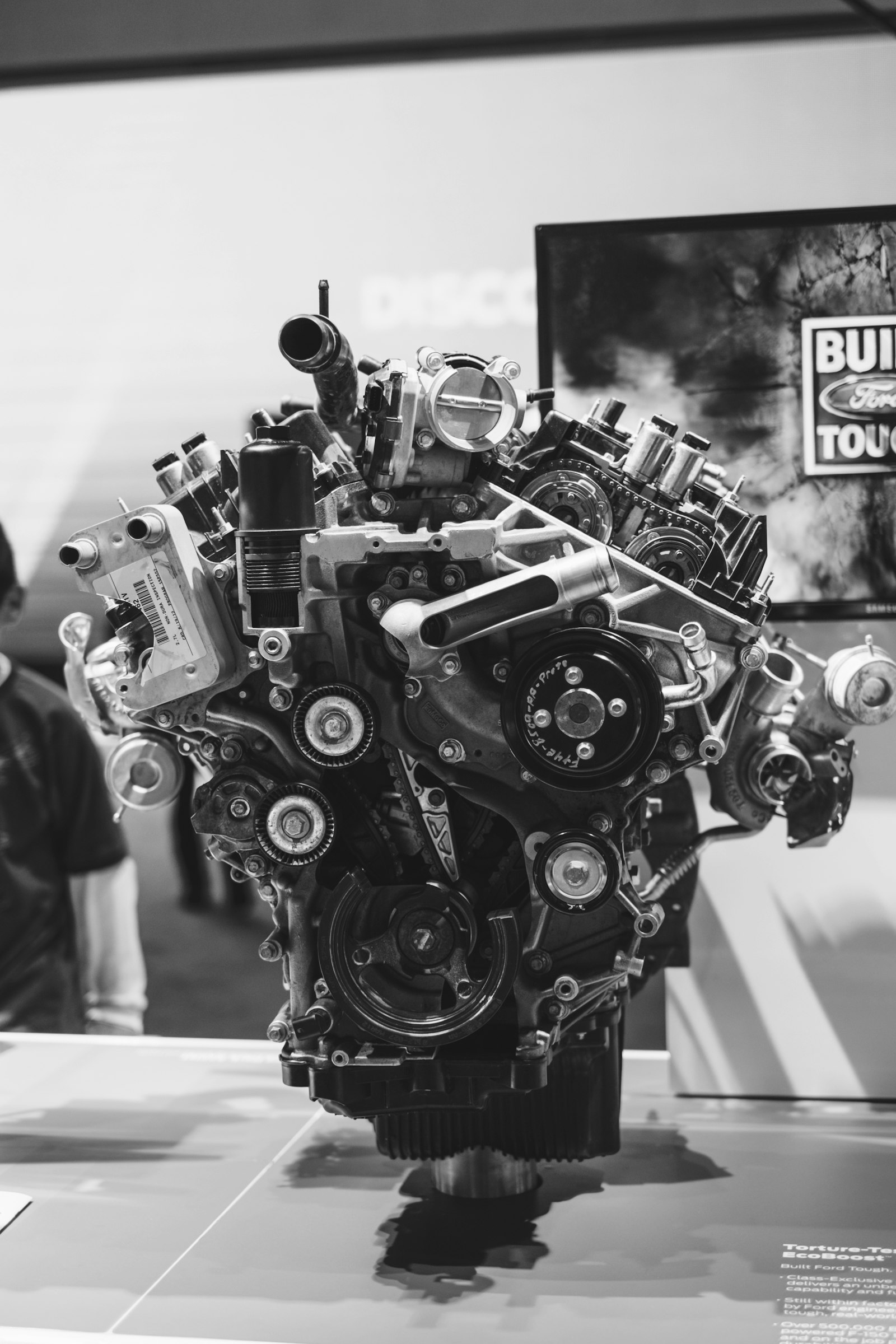
3D Printing in the Automotive Industry: Prototypes, End-Use Parts, and Spare Parts
In the automotive, marine, and rail industries, 3D printing has long outgrown its role as a prototyping tool alone – it is now used as a full production method whenever a precise part, custom tooling, or a hard-to-find spare part is needed quickly. For the transport sector, this shortens development cycles and reduces dependence on large-batch…
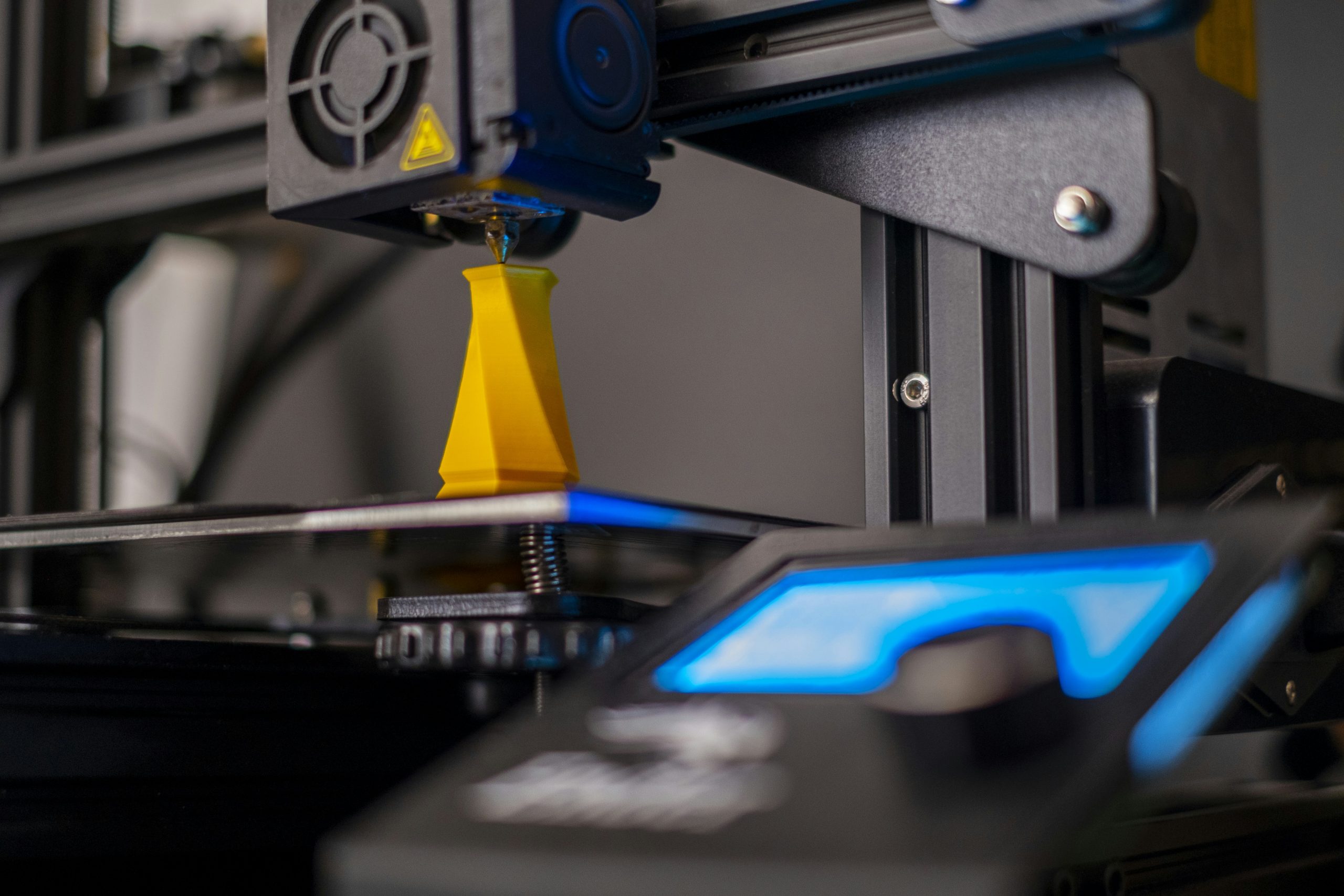
3D Printing Cost: What Determines the Price
One of the most common questions clients ask when contacting us about 3D printing services is — how much will it cost? There's no one-size-fits-all answer, because the final price depends on several factors that together determine the complexity of the project and the resources required. What determines the price of 3D printing Printing…
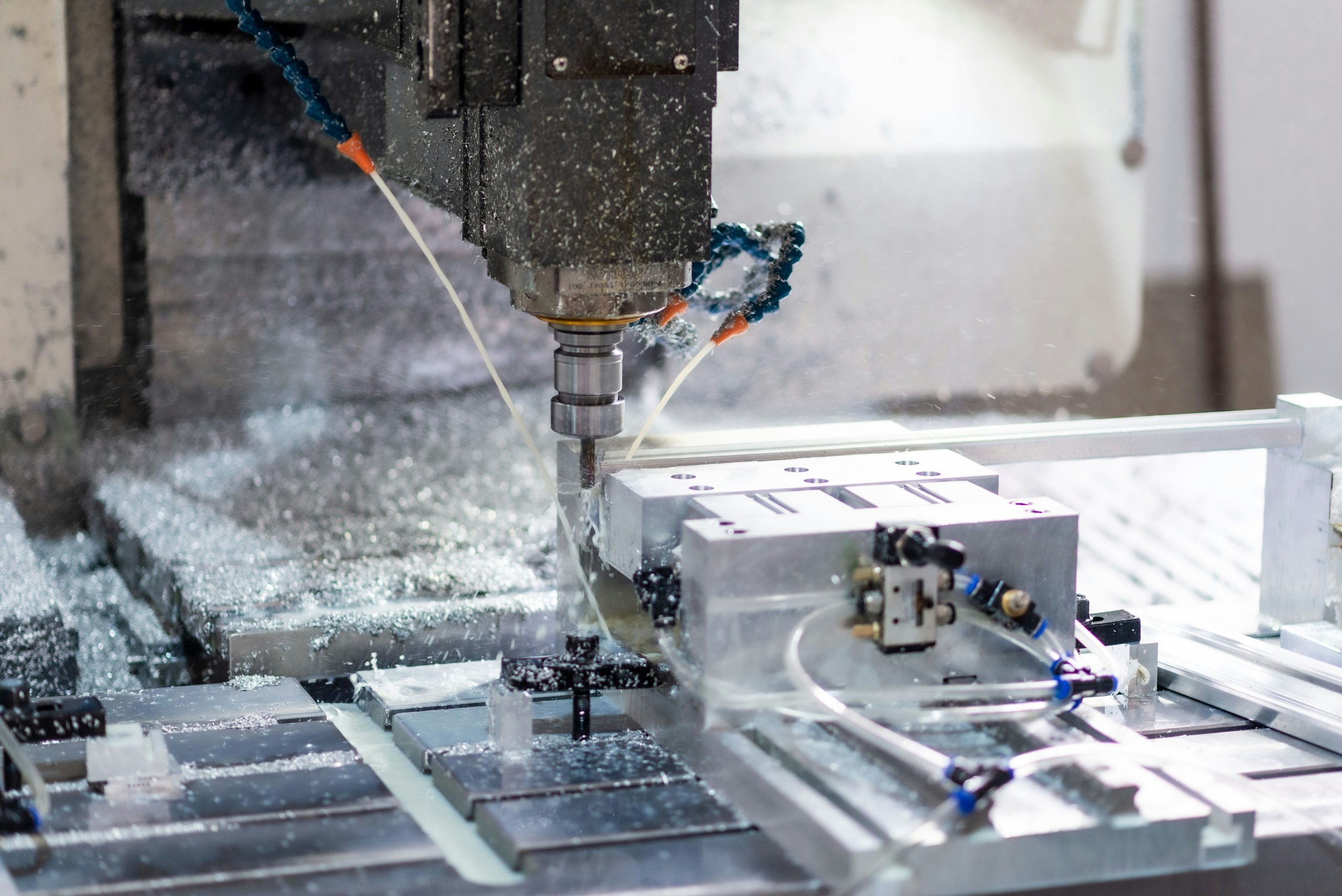
3D Printing or CNC Milling: When to Choose Which
When planning the production of a part or a prototype, one question often comes up — should you choose 3D printing or CNC milling? Both technologies are widely used in industry, but each suits different situations. In this article we cover the main differences and help you decide which one fits your project. What's the difference between the two…